
Maryland Gun Laws & Defenses: From Possession to Carry Licenses
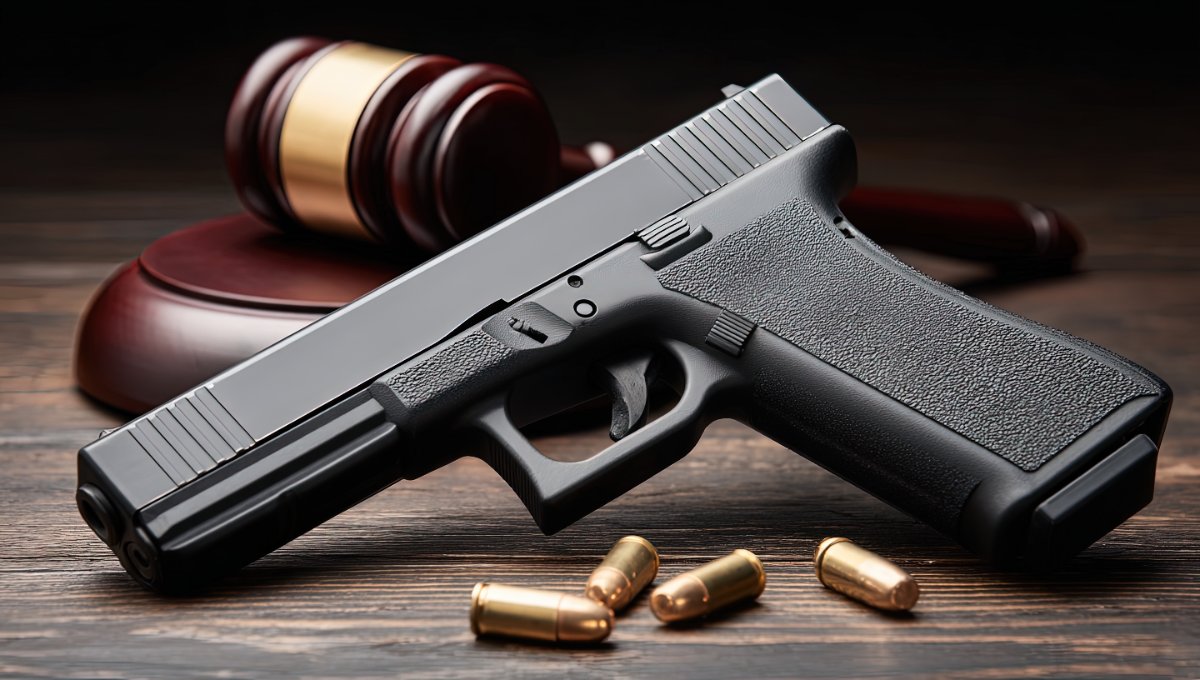 Maryland’s gun laws are among the strictest in the United States. Actions that are legal in nearby states can lead to criminal charges here. If you own, carry, or transport firearms in Maryland, it’s important to know those laws and what can happen if you break them.
If you’re charged with a gun-related offense, talking to a criminal defense attorney who understands Maryland’s gun laws can help protect your rights and freedom. Even accidental violations can lead to mandatory minimum sentences that affect your life.
Because Maryland’s gun laws are strict and carry serious consequences, understanding them is essential for anyone who owns, carries, or transports firearms in the state.
The wear and carry permit requirement
Maryland Criminal Law § 4-203 prohibits wearing, carrying, or transporting a handgun without a valid permit, and § 5-303 requires a person to have a permit before carrying, wearing, or transporting a handgun. This requirement applies whether concealed or open, and Maryland doesn’t recognize permits issued by any other state. Visitors and new residents can’t rely on out-of-state permits for legal carry within Maryland.
After the Supreme Court’s 2022 decision in New York State Rifle & Pistol Association v. Bruen, Maryland became a shall-issue state. This means that State Police must issue permits to applicants who meet the legal requirements, without needing a special reason to carry.
The application process is still challenging. New applicants must complete a state-approved 16-hour firearms training course with live-fire practice, get fingerprinted, pass background checks, and pay fees. The permitting process usually takes several months.
Penalties for unlawful possession
In Maryland, it is illegal to wear, carry, or knowingly transport a handgun without a permit. While not universally treated as a pure strict liability offense, Maryland law includes a rebuttable presumption that a person knowingly transported a handgun. In turn, this presumption makes intent a litigation issue, but defenses may still apply.
The penalties are serious, and many include mandatory minimum sentences:
- First offense – Misdemeanor punishable by 30 days to 5 years imprisonment, or a $250–$2,500 fine, or both
- First offense on school property – Mandatory minimum 90 days imprisonment
- Second offense – One to ten years (one-year mandatory minimum)
- Third or subsequent offense – Three to ten years (three-year mandatory minimum)
Because the statute includes a rebuttable presumption of knowing transport, there’s a real risk. If you forget a handgun in your bag, carry with an expired permit, or have a firearm within reach in your car (even for a short time), you can face criminal charges and certain violations or repeat offenses can trigger mandatory minimum jail time.
Prohibited persons and restricted locations
Maryland Public Safety Code § 5-133 prohibits certain individuals from possessing regulated firearms altogether.
Disqualified persons include those convicted of felonies, crimes with maximum penalties exceeding two years, certain drug offenses, and domestic violence misdemeanors. Those under age 21 are generally prohibited from possessing a regulated firearm, subject to statutory exceptions. Persons who’ve been involuntarily committed for mental health treatment or found incompetent to stand trial also face possession restrictions.
Breaking § 5-133 can lead to felony charges, with up to 15 years in prison and possibly a minimum sentence of five years. Because the penalties are so severe, it’s important to know if you’re allowed to possess a firearm in Maryland.
What if I have a valid permit?
Even if you have a valid permit, you can’t carry a firearm in many places. For instance, carry is prohibited in locations such as schools, government buildings, courthouses, polling places, and some public demonstrations.
In January 2026, the Fourth Circuit struck down Maryland’s attempt to impose a default ban on carrying firearms on private property open to the public absent express permission. As a result, there is no statewide ‘express permission’ requirement. However, property owners may still prohibit firearms on their premises through posted signs, policies, or direct notice, and carry restrictions in specific locations remain subject to ongoing legal developments.
Common defenses to gun charges
Even though some Maryland gun offenses limit the role of intent, there are several defense strategies that can work.
Challenging the search
Many gun cases start with a search of your car or person. If police didn’t have reasonable suspicion to stop you or probable cause to search, evidence can be thrown out under the Fourth Amendment. If successful, this can even lead to charges being dismissed.
Disputing possession
Prosecutors have to show you actually or constructively possessed the firearm. If a weapon is found in a car with several people or in a shared space, it can be hard for the prosecution to prove who owned it.
Statutory exceptions
Section 4-203(b) allows important exceptions, such as having a firearm in your own home or business, transporting unloaded guns in enclosed cases between certain legal places, and other situations that might fit your case.
Challenging firearm classification
The law defines a handgun by certain features. An expert may show that a weapon doesn’t meet this definition or is exempt from some rules.
Using a firearm during a crime of violence
Section 4-204 makes it illegal to use a handgun during a violent crime. If convicted, face 5 to 20 years in prison, and this time is added to any sentence for the violent crime itself. Because these penalties are so harsh, it’s important to have a strong defense if you’re charged.
If you’re facing gun charges in Maryland, you need legal guidance
Some gun charges in Maryland are serious and include mandatory minimum sentences that judges can’t change. Gun laws are complex, and there are ongoing legal debates about search and seizure and Second Amendment rights after the Bruen decision.
You need a criminal defense attorney who knows both the legal rules and how to argue your case in court. Challenges to Maryland gun laws are still happening in state and federal courts.
If you’re charged with a gun offense in Maryland, the consequences can change your life. A mandatory minimum sentence means even a first offense can lead to jail time.
The team at Drew Cochran, Attorney at Law, can help you understand your rights and legal options. Reach out to our office to discuss your legal options.

Drew Cochran has practiced criminal defense law in Annapolis for more than 20 years. He is a member of the Maryland State Bar, Anne Arundel County Bar, and the Maryland Criminal Defense Attorneys’ Association. Named a “Leading Attorney” by What’s Up Magazine: Annapolis in 2011, he handles criminal defense, DUI defense, juvenile law, and all felony and misdemeanor defense throughout Maryland. Read Full Bio