
DUI and Your Security Clearance: What Annapolis Federal Workers Need to Know
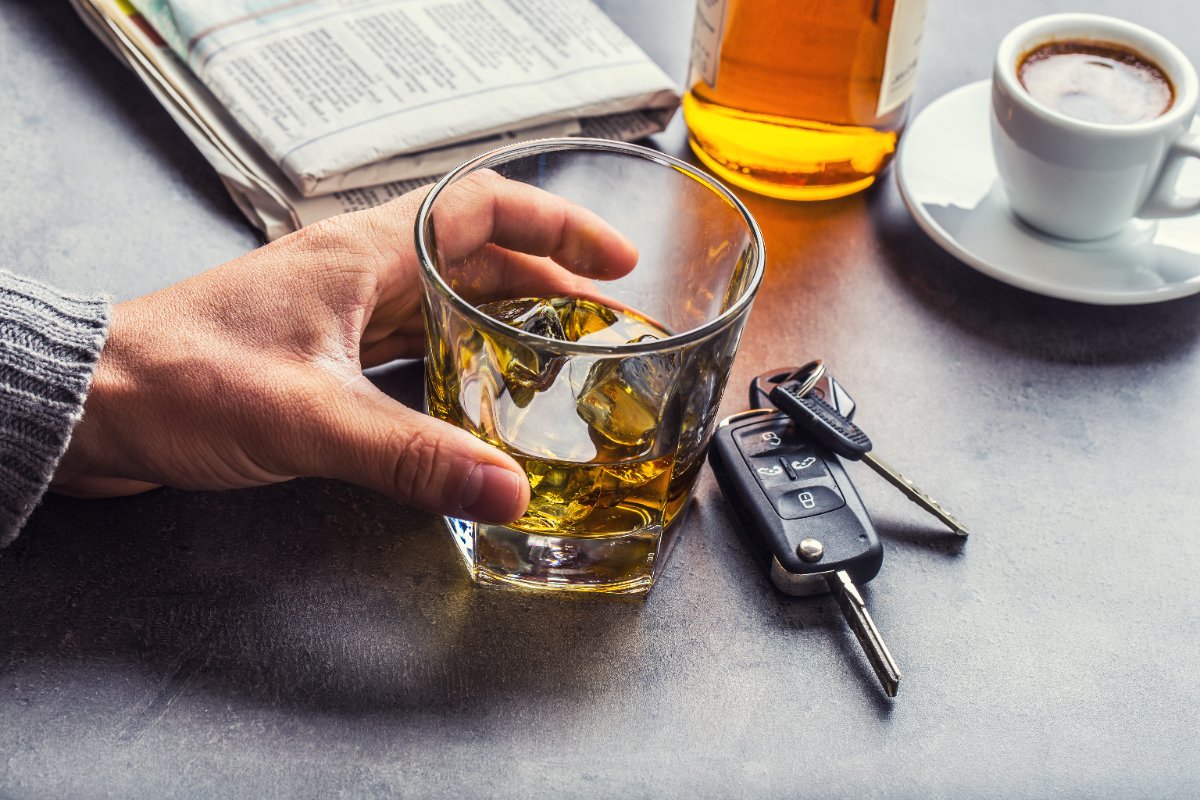 If you’ve been charged with a DUI as a federal worker in Maryland, you’re likely consumed with thoughts of what comes next—and how your career may be affected. Security clearances are hard to earn but easy to lose, and a DUI or DWI in Maryland can absolutely affect your security clearance.
That’s why it’s so important to be proactive about your DUI defense and act quickly to secure the legal representation you need. Call Drew Cochran, Attorney at Law, to schedule a time to discuss your case now.
How does a DUI affect security clearance for federal employees?
A DUI can trigger a review of your security clearance because criminal charges may raise questions about your judgment, reliability, and decision-making skills. Federal clearance decisions are made based on adjudicative guidelines that determine whether or not someone can be trusted with sensitive information.
DUI charges and convictions can raise red flags in several areas, including alcohol use, criminal conduct, and personal conduct.
Even one DUI charge or conviction can lead to scrutiny from leadership at your federal agency. Keep in mind that some people who get arrested for driving under the influence don’t get arrested on their first time driving while impaired; it can be a sign of a greater pattern. That’s what investigators are looking at.
Does security clearance level matter?
Yes. Although the same guidelines are relevant across the board, higher clearance levels typically mean closer review:
- Confidential or Secret clearance: A first-time DUI with no aggravating factors may result in minimal action, particularly if the individual handles it responsibly. This means being upfront about what happened, taking responsibility, and taking steps to address the factors that led to the poor choice in the first place.
- Top Secret clearance: At this level, you are subject to significantly more scrutiny. Your conduct may be viewed more harshly at this level, and you may see your career affected.
- Special Access Programs: High-level security clearances involve the highest level of scrutiny and criticism when an individual shows poor judgment. Even one lapse in judgment at this level may lead to a loss of clearance and issues with your career.
Higher clearance levels don’t automatically mean harsher outcomes, but you do have less room for error. On the same note, a lower security clearance level doesn’t automatically mean that you’ll get off scot-free. A lot depends on the circumstances of the situation and the steps you take to rectify it.
Do you have to report a DUI to your security officer?
Typically, you do have to report a DUI to a security officer—even if it does not result in a conviction. Federal employees and contractors with a security clearance are generally required to report all criminal arrests.
Many federal agencies have specific reporting requirements, with some agencies requiring a report in as little as 24 to 72 hours. You should check with your agency’s specific guidelines to ensure you don’t accidentally run afoul of them—that will likely lead to more severe consequences.
Your agency’s guidelines should also include information about how to make a report and to whom. You may go through your Facility Security Officer or an internal reporting system.
Failing to report the DUI could actually lead to worse outcomes than the DUI itself. Remember, agencies are looking for signs that you are generally unreliable or prone to poor judgment. Intentionally violating reporting requirements or trying to hide a serious criminal charge are both obvious signs of poor judgment. A lack of candor can be a red flag in federal agencies that have access to sensitive information.
Maryland DUI vs. DWI: Does it matter for clearance?
Maryland differentiates between DUI (driving under the influence) and DWI (driving while impaired). DUI is generally associated with a BAC of 0.08 or higher, while DWI may involve lower BAC levels or other evidence of impairment. While a DUI results in more severe penalties than DWI, they are largely treated similarly when it comes to security clearances. Both are alcohol-related crimes that show poor judgment and a lack of concern for public safety. The label isn’t as important as the underlying conduct that led to the criminal charges.
What factors determine whether or not you lose your clearance?
Clearance reviewers may look at a number of factors when determining whether or not you lose your clearance. They’re trying to answer several questions: Do you have generally poor judgment that puts sensitive information at risk? Is there a pattern of alcohol misuse? Is the behavior likely to recur?
Factors that may come into play include:
- Severity of the incident: A DUI arrest with a lower BAC, no accident, and no injuries may be viewed differently than a DUI with a higher BAC, a serious accident, and severe injuries.
- One-time incident or a pattern: Someone with a history of DUIs or alcohol-related crimes may be a security risk for federal agencies.
- Alcohol use concerns: If an individual has other incidents or issues that flag an ongoing problem with alcohol use, that may put their security clearance at risk.
- Compliance with legal requirements: Completing court obligations, classes, and treatment shows an interest in doing the right thing and avoiding future issues.
- Honesty in reporting: When someone reports the arrest in a timely manner to their agency, that looks far better than when someone’s arrest is discovered by the agency.
The way you approach the reporting of your DUI and your case can impact both your security clearance and your entire career. By working with a DUI lawyer in Maryland from the beginning, you can take steps to protect your career and prevent DUI clearance loss.
Explore your legal options with Drew Cochran, Attorney at Law
If you’ve been arrested for driving under the influence and you’re concerned about federal employee DUI clearance loss, reach out now. We’re here to advocate for you and pursue an outcome that protects your career and your future. Contact us online or call us today.

Drew Cochran has practiced criminal defense law in Annapolis for more than 20 years. He is a member of the Maryland State Bar, Anne Arundel County Bar, and the Maryland Criminal Defense Attorneys’ Association. Named a “Leading Attorney” by What’s Up Magazine: Annapolis in 2011, he handles criminal defense, DUI defense, juvenile law, and all felony and misdemeanor defense throughout Maryland. Read Full Bio