
Cybercrime Charges in Maryland: What You Need to Know
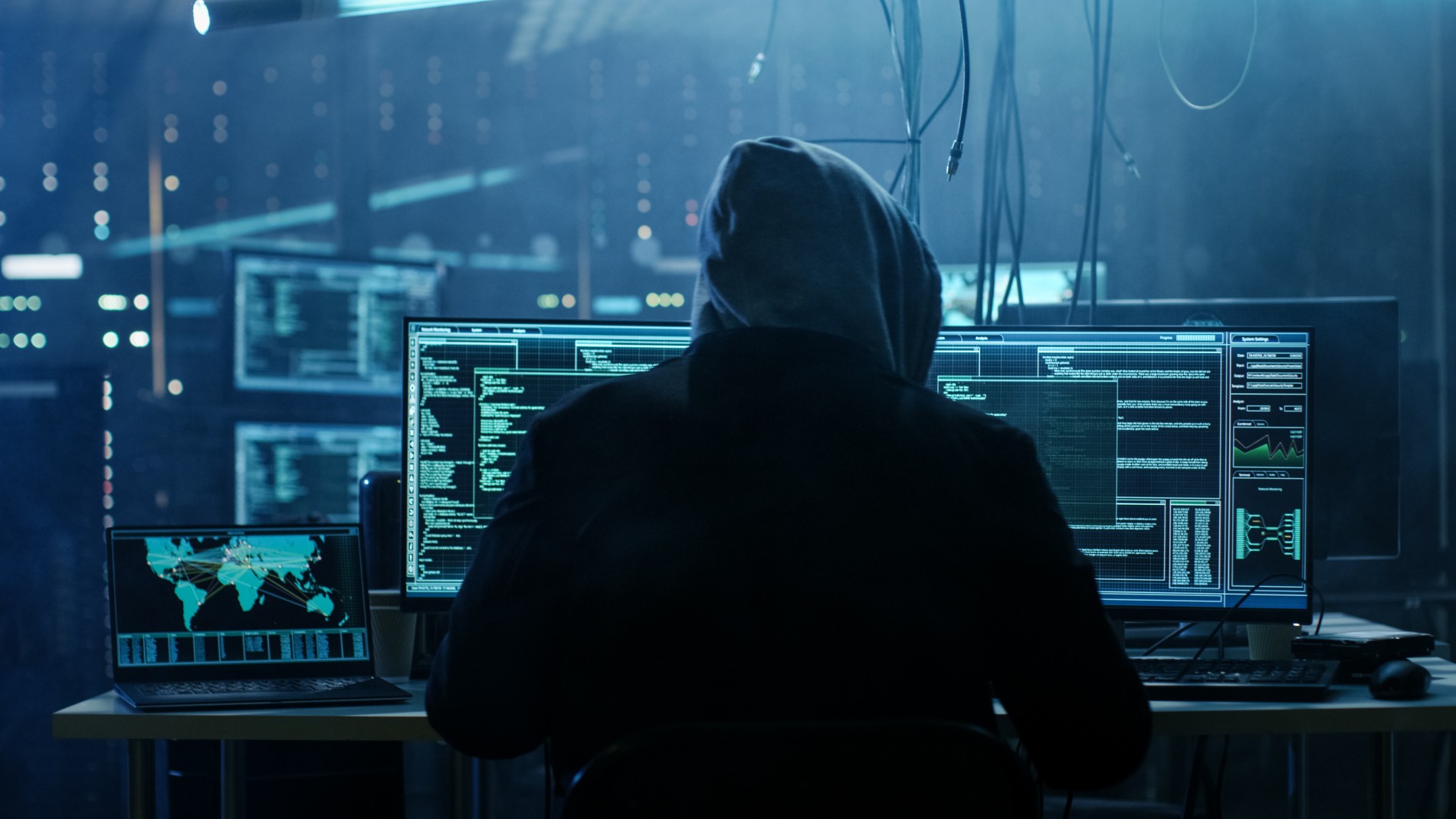 Cybercrime charges have become increasingly common over the years as more and more parts of our lives have moved online. While people often think of sophisticated hackers with unmatched IT knowledge when they think of cybercrime, this type of criminal activity extends far beyond hacking. It includes everything from unauthorized account access and online scams to identity theft and cyberbullying. Learn more about cybercrime charges in Maryland, and if you’re facing criminal accusations, let’s talk. Call Drew Cochran, Attorney at Law, today.
What is considered a cybercrime in Maryland?
Cybercrime is an umbrella term used to refer to illegal activity involving computers, networks, or digital data. It may include actions taken on personal devices, work computers, public devices, and online platforms or accounts.
Authorization is a key issue in many of these cases—whether or not you had permission to use certain information or access a specific system. Another issue is intent, or whether your actions were knowingly illegal.
This type of crime is often misunderstood, and incidents that seem minor or harmless may still lead to criminal charges.
Common types of cybercrime charges in Maryland
Cybercrime covers a variety of offenses. We’ll go over some commonly charged crimes now.
Identity theft
This usually involves someone opening new accounts using another person’s name, taking over their current online profiles, or using their stolen credit card info on the web.
Computer fraud
Computer fraud generally means using digital systems to deceive other people for financial benefit. Common examples include online scams, fraudulent transactions, or misrepresenting information in online communications.
Unauthorized access or hacking
Simply logging into a network, account, or computer without permission can get you charged with a crime. It doesn’t take a genius-level cyberattack, either. While most people think hacking requires advanced coding skills, the law views it much more simply. Bypassing security walls or digging into restricted databases counts, but so does merely guessing a friend’s password and sneaking into their profile. If you don’t have consent, it’s illegal.
Phishing
Phishing involves sending fraudulent messages to trick people into revealing sensitive or private information. For example, someone who sends emails or texts to get people to click on fake websites, input their login information, or send money may be accused of phishing.
Cyber harassment and misuse of electronic communication
This is a growing problem across the country, particularly among minors. Harassment, threats, repeated unwanted communication, online stalking, or certain forms of electronic communication intended to harass or intimidate another person may lead to criminal charges.
The Maryland Computer Crimes Act
The Maryland Computer Crimes Act is a statute that covers much of the illegal conduct involving computers, digital systems, and online accounts.
Under the Computer Crimes Act, it’s illegal for individuals to:
- Access a computer or network without authorization
- Exceed authorized access
- Interfere with computer systems
- Take, copy, or damage data
The law is broad—and intentionally so. By keeping the law broad in nature, the law gives prosecutors the flexibility they need to apply it to a variety of situations. This is particularly important in the world of cybercrime, where technology changes so rapidly that narrowly defined laws could be irrelevant in a matter of months or years.
State vs. federal cybercrime charges
Cybercrime cases may be prosecuted at the state and federal levels, depending on the details and circumstances of the case.
Maryland courts handle state-level cases. These may involve local victims and perpetrators, smaller-scale crimes, and violations of the Maryland Computer Crimes Act.
Federal charges usually enter the picture when a crime crosses state lines. Let’s say, for instance, a hacker in Texas targets someone in New York. The feds also step in if there’s massive financial damage, a ton of victims, or if a government network gets hit. That’s when laws like the Computer Fraud and Abuse Act come down. While federal crimes generally pack a much harsher punch than state charges, it really depends on the specifics of the case.
Penalties for cybercrimes
Cybercrime penalties vary widely, depending on the specific charge and circumstances. Perpetrators may face misdemeanor or felony charges, jail or prison time, hefty fines, or forced restitution to victims.
The specific penalties an individual faces may depend on mitigating or aggravating factors. The court will consider the amount of financial loss, the number of victims, the perpetrator’s prior criminal history, and other sentencing guidelines.
How cybercrime cases are investigated
Cybercrime investigations rely heavily on digital evidence. This often gives law enforcement agencies a significant amount of evidence to work with, as many things you do on a system leave some sort of digital footprint. Agencies may work with technical experts to gather and analyze data. Evidence commonly used in these cases includes:
- IP address records
- Data from computers and mobile devices
- Email and messaging records
- Internet service provider logs
- Login attempts
- Financial transfers
Challenging digital evidence
When a criminal defense lawyer challenges digital evidence, they may do so based on the significant limitations of this form of evidence:
- IP address limitations: IP addresses aren’t always the smoking gun that prosecutors think they are. They may provide information on which network accesses something, not which specific person did.
- Device access issues: Owning a device doesn’t guarantee you’re the only one touching it. That’s the real problem with digital evidence. Between shared family PCs, borrowed phones, and unauthorized snooping, it’s way too easy for the data to get muddy.
- Chain of custody and forensic errors: Digital evidence, just like physical evidence, must be handled and collected properly to avoid errors. Furthermore, inaccurate analysis can lead investigators to incorrect conclusions.
- Authorization and intent: If prosecutors cannot prove that access was unauthorized or that the individual knew they were engaging in illegal conduct, that may weaken their case.
Facing cybercrime charges? Let’s talk
Don’t wait to seek legal guidance while investigators build a case against you. Call Drew Cochran, Attorney at Law, to start your defense. Call us or get in touch online now.

Drew Cochran has practiced criminal defense law in Annapolis for more than 20 years. He is a member of the Maryland State Bar, Anne Arundel County Bar, and the Maryland Criminal Defense Attorneys’ Association. Named a “Leading Attorney” by What’s Up Magazine: Annapolis in 2011, he handles criminal defense, DUI defense, juvenile law, and all felony and misdemeanor defense throughout Maryland. Read Full Bio